Ask someone outside the neighborhood what Historic Kenwood is known for and you'll get the same two answers every time: the bungalows, and BungalowFest. Maybe a mention of the Tour of the Arts if they've been paying attention. What gets left out is the part that actually makes the neighborhood feel the way it feels day to day, which has nothing to do with a headline weekend on the calendar and everything to do with three dates that repeat every single month without fail.
If you live here, you already know the shorthand even if you've never said it out loud. First Tuesday. Second Friday. Second Saturday. That's not a marketing campaign. It's how Kenwood actually runs.
The Clock Underneath the Bungalows
The Historic Kenwood Neighborhood Association holds its general meeting on the first Tuesday of every month at 6:30 p.m., inside the President Barack Obama Main Library on Ninth Avenue North. It's the kind of meeting most neighborhoods struggle to fill, but Kenwood's has enough regular attendance and enough of a paper trail of agendas and minutes that you can track exactly what the neighborhood has been arguing about, celebrating, or planning for years back.
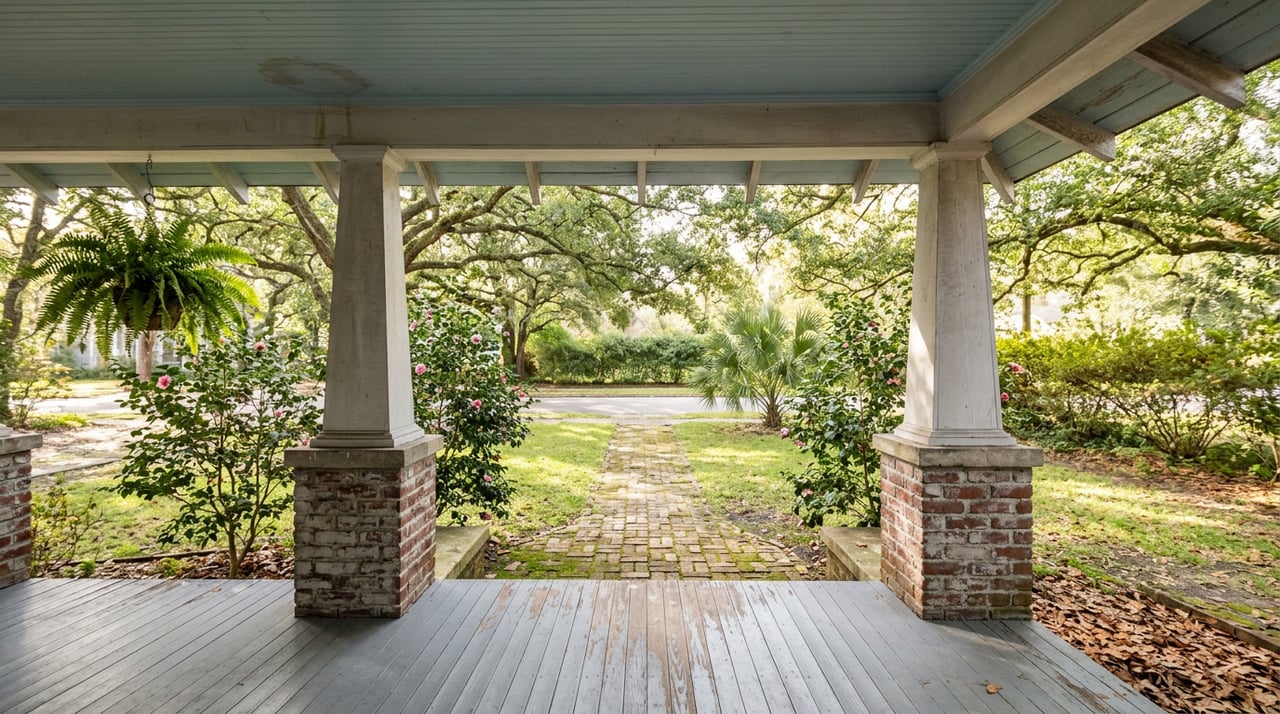
Three weeks later, the tone flips entirely. On the second Friday of the month at 7 p.m., a resident opens their home for what the association simply calls a gathering of neighbors. Bring a dish to share and the drink of your choice. No theme, no dress code, no ticket. It's the kind of recurring, low-stakes social event that a lot of neighborhoods talk about wanting and never actually sustain, because it requires someone to keep hosting it, month after month, without a festival budget or a sponsor behind it.
Then comes the second Saturday, when the citywide Art Walk rolls through St. Petersburg's arts districts and Kenwood's Artist Enclave opens its doors along with it. This is where the neighborhood's 2014 city council overlay designation actually does something visible. Kenwood and Old Southeast are the only two neighborhoods in St. Petersburg with that designation, which lets residents legally teach classes and sell artwork out of their own homes. On Art Walk Saturdays, that legal quirk turns into a walkable stretch of open studio doors, something most neighborhoods with a similar arts reputation can only manage once or twice a year.
Put those three dates together and you get a neighborhood that has built its entire social identity around repetition rather than spectacle. That's the part outsiders miss when they only show up for BungalowFest.
The Big Events Are the Small Ones, Scaled Up
Once you see the monthly rhythm, the annual events stop looking like separate occasions and start looking like the same muscle, flexed harder. The Artist Enclave's Tour of the Arts, held every March, is really just the second-Saturday Art Walk multiplied by a full weekend. In 2026 the tour marked its ninth year, with more than two dozen artists opening their homes and studios, complimentary trolley pickup running out of Seminole Park, and the same self-guided, start-anywhere structure that governs the smaller monthly version.
BungalowFest works the same way. It's framed as a home and garden tour tied to Founders' Day each March, but structurally it's the same idea as the porch party, just with a ticket and a bigger footprint. Neighbors open their properties, proceeds go back into community projects like beautification and support for local artists, and the whole thing runs on the same volunteer energy that keeps the second-Friday gatherings going the other eleven months of the year.
Even the holiday season follows the pattern. Winter in the Wood, the neighborhood's December market, has recently folded itself into the existing Kenwood Sunday Market rather than competing with it, expanding the market's footprint for one day instead of inventing a separate event from scratch. It's a small operational choice, but it says something about how this neighborhood thinks about its own calendar: build on what already exists rather than layering something new on top of it.
The Building That Set the Clock a Century Ago
There's a reason this year's BungalowFest carries a little extra weight. The tour is built around homes ranging from 97 to 106 years old, which puts most of Kenwood's housing stock squarely in its own centennial window. And sitting in the middle of all those aging bungalows, on Fifth Avenue North, is the building that arguably started the neighborhood's identity in the first place: St. Petersburg High School, which opened its doors in 1926 at a construction cost so unusual for the era that it earned a nickname the neighborhood still uses, the nation's first million-dollar high school.
That's not a coincidence of timing. St. Petersburg High is listed on the National Register of Historic Places alongside the rest of the Kenwood Historic District, which was platted in 1912 by developer Charles Hall on land that had been avocado groves two miles northwest of downtown. Hall built the neighborhood's first model home to be visible from the Central Avenue streetcar line, then donated Seminole Park to the city with a stipulation that its name never change. A century later, both of his gifts, the park and the streetcar-era street grid, are still doing exactly what he built them to do.
The high school's hundredth year lands in 2026, and BungalowFest is explicitly built around celebrating it this cycle, which means this particular spring tour isn't just another lap around the neighborhood's usual homes. It's a rare moment where the age of the housing stock, the age of the anchor institution, and the calendar year all line up in the same conversation.
A Neighborhood Built to Notice Itself
None of this works without Seminole Park, which functions as the neutral ground for almost everything above. Donated by Hall, bounded by Third Avenue North and 29th and 30th Streets, the park hosts summer nights of outdoor movies and live jazz under its open-air pavilion, alongside two lending libraries, one for adults and one for kids, and playgrounds that double as the informal meeting point before the trolley picks up tour-goers each March. A short walk north, the neighborhood's dog park near I-275 does the same quieter version of that job on an ordinary Tuesday afternoon.
What all of this adds up to is a neighborhood that has essentially trained itself to pay attention to its own calendar. Residents don't wait for a single flagship weekend to feel connected to where they live. They know which Friday to expect a porch light on, which Saturday the studio doors will be propped open, and which Tuesday the association will be arguing about a beautification budget inside the Obama Main Library. That kind of muscle memory doesn't show up in a single festival, no matter how well attended. It shows up in the fact that the same small rituals have run monthly for years, long enough that a home built in 1920 and a school built in 1926 can share a spotlight in the same spring without anyone needing to plan it that way.
If you already live in Kenwood, none of this is new information exactly. It's just rarely said out loud, which is a little strange for a neighborhood that's this good at showing up for itself.
Kenwood's calendar is part of what makes this stretch of St. Petersburg worth paying attention to, whether you're comparing porch-party dates or just curious what a century-old neighborhood looks like from the inside. If you'd ever like to talk about Historic Kenwood, or any other corner of Tampa Bay, James Heeley is always glad to compare notes. Let's Connect.